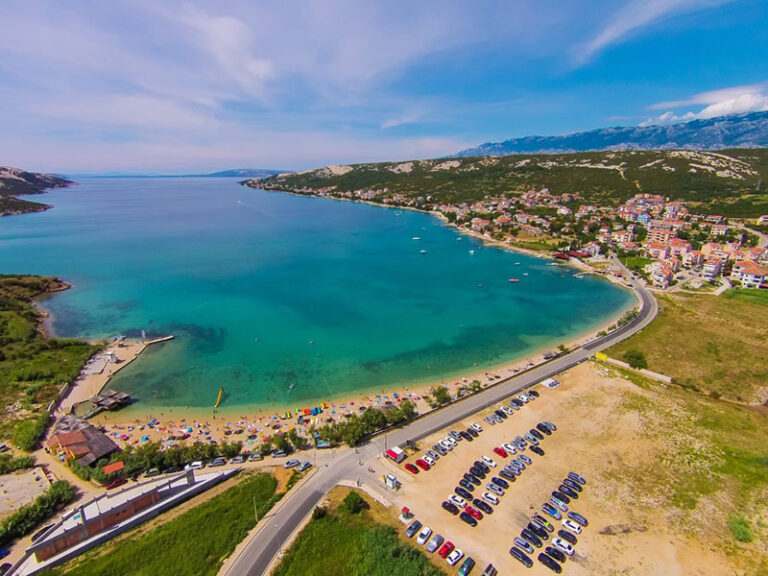
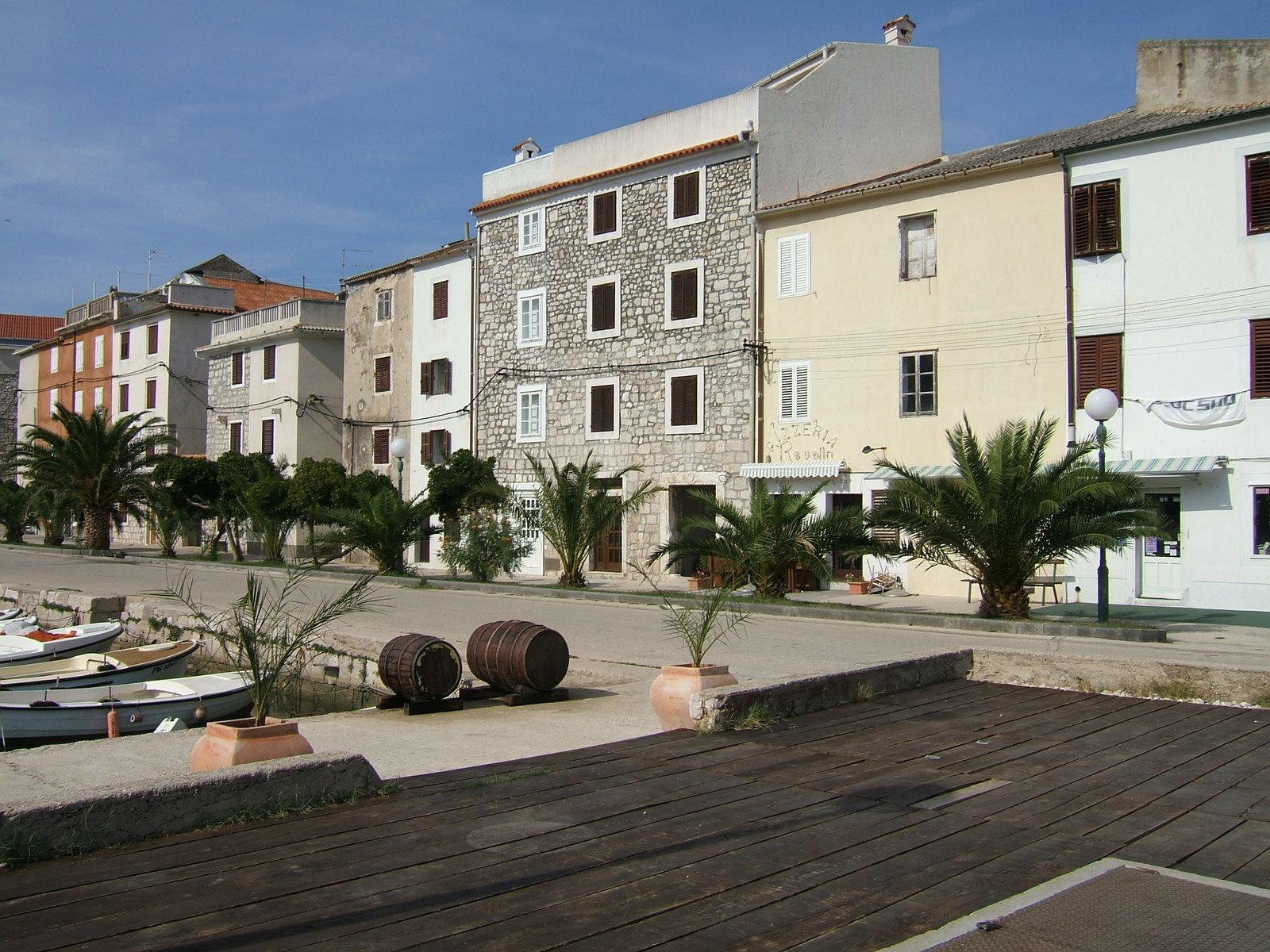
Stone houses along the harbour in Pag town

What to See in Novalja and on Pag

Roman tunnels, sunken towns and thousand-year-old olive trees.

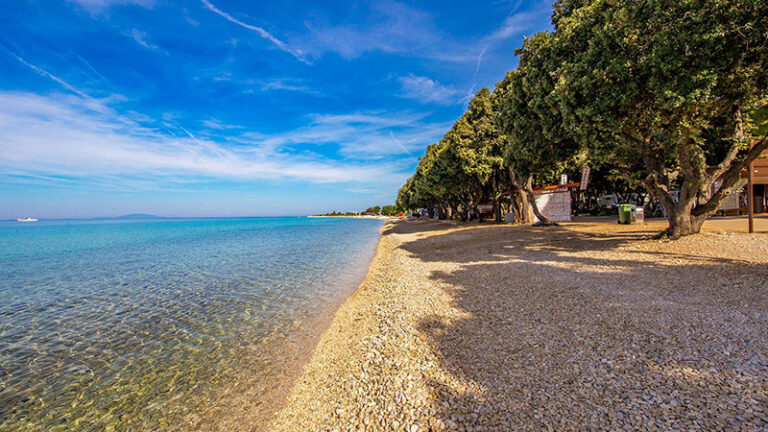
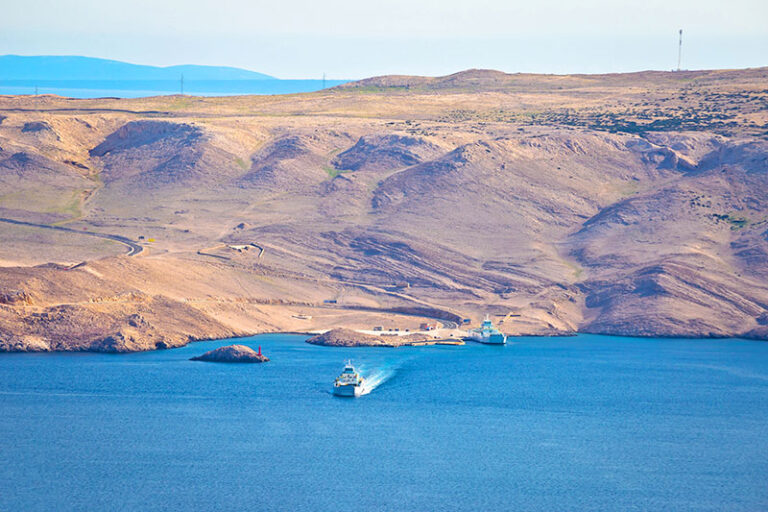
Pag looks bare from the ferry: stone, sheep and wind. Look closer and it is one of the most layered places on the Adriatic. Under Novalja’s streets runs a Roman aqueduct cut by hand through solid rock, more than a kilometre long. Two kilometres south, Caska bay hides the remains of Cissa, the Roman town whose name was used for the whole island until the 14th century. Behind a small church in the centre of town there is an Early Christian mosaic floor. At the northern tip, near Lun, more than 80,000 wild olive trees grow, and over a thousand of them are older than a thousand years. Half an hour away, Pag town was laid out on a drawing board in 1443 and still makes salt and lace the way it has for centuries.

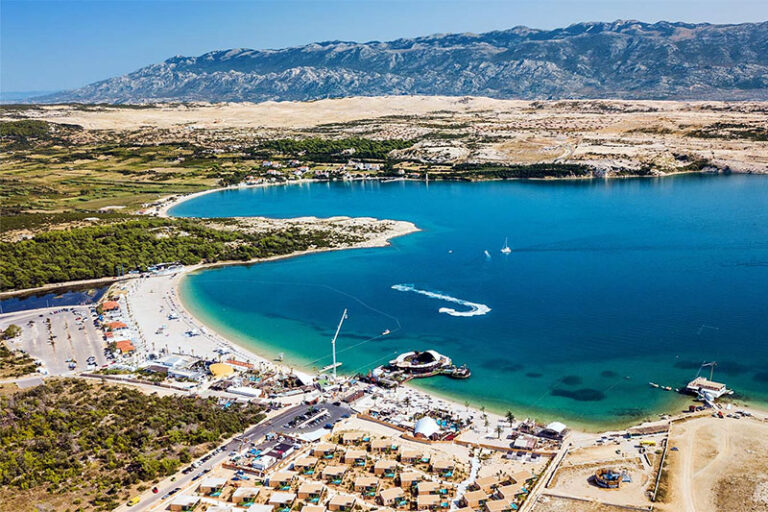
This page brings together our guides to the sights around Novalja: Roman history, old fishing villages, the quiet west coast, Pag town and the island’s beaches. Most are a short drive from town, a few are a walk, and many are at their best outside the August rush. Pick a place below, or scroll down for all our latest See stories.

Explore by topic

Talijanova buža, the Roman aqueduct

A 1,050-metre tunnel carved by hand beneath Novalja, entered through the Town Museum.

Read the guide →

Caska and Roman Cissa

Sunken walls, a Roman anchor and a hilltop fort, just 2 km from town.

Read the guide →

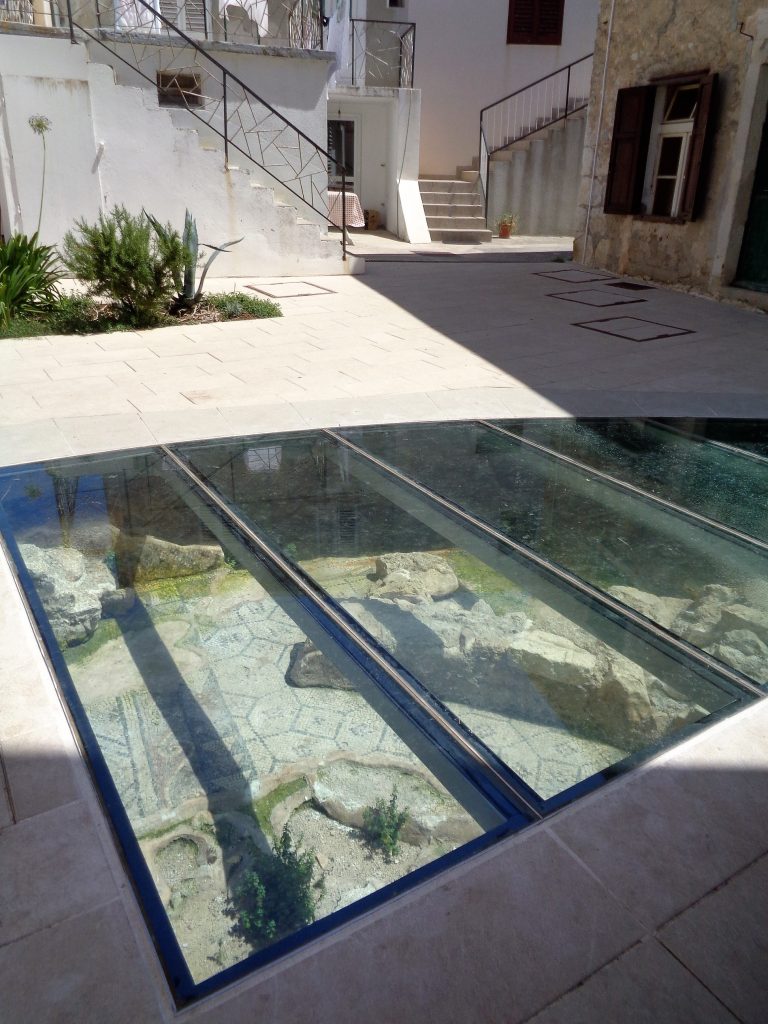
The Early Christian mosaic

A patch of ancient mosaic floor behind the Little Church, a five-minute stroll from the waterfront.

Read the guide →

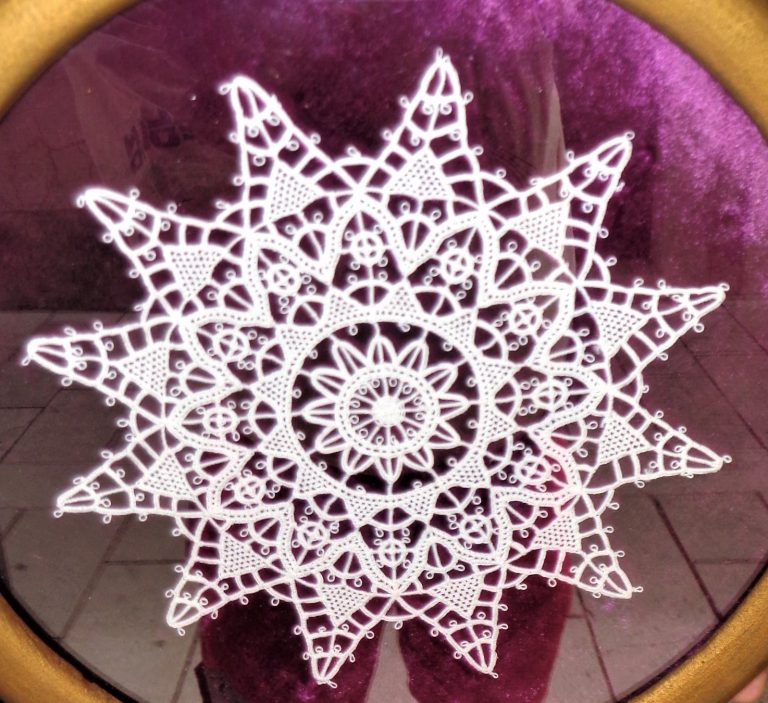
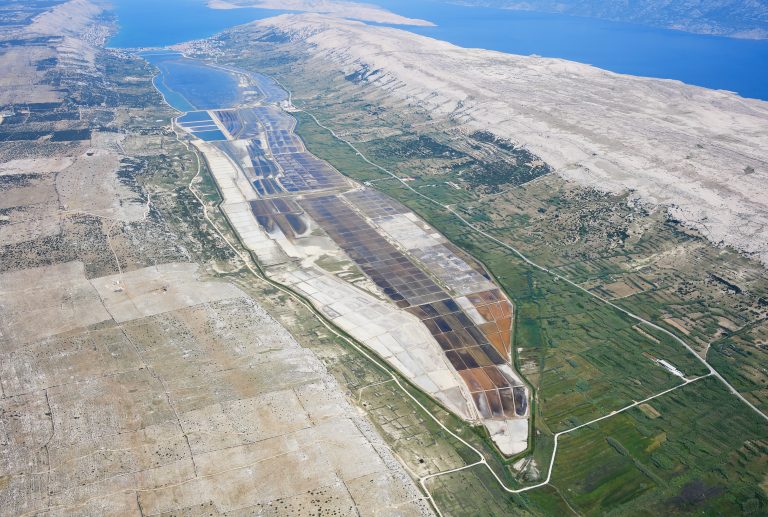
Pag town: salt and lace

A Renaissance town planned in 1443, salt pans worked for over a thousand years and UNESCO-listed lace.

Day trip to Pag town →·Pag salt →·Pag lace →

The olive gardens of Lun

More than 80,000 wild olive trees, over 1,000 of them more than 1,000 years old, protected as a reserve since 1963.

Read the guide →

Metajna

A quiet fishing village with a rock-arch beach, cliffs and wild coves.

Read the guide →

Stara Novalja

The older village behind the town's name: Roman remains, two very different beaches and a saint's-day festival.

Read the guide →

The west coast: Kolan, Mandre and Šimuni

Cheese dairies, the Kolansko blato bird reserve, Blue Flag Mala Mandra beach and a marina among the pines.

Read the guide →

Latest See stories

Frequently asked questions

For most visitors it is Talijanova buža, a Roman aqueduct carved by hand through solid rock beneath the town. You enter through the Town Museum, with museum staff.

Yes. It is about half an hour by car, and you get a Renaissance town planned in 1443, UNESCO-listed lace, the salt pans and a good lunch.

The average age across the grove is around 1,200 years, the oldest confirmed tree is roughly 1,600 years old, and more than 1,000 trees are over 1,000 years old.

Caska bay, 2 km south of Novalja, hides the remains of the Roman town of Cissa, including sunken walls, and the Sveti Juraj hill above it gives a wide view over the bay.

Getting here by bus

Novalja has direct coach links to Zagreb, Rijeka, Zadar, Split and many smaller towns, and the bus simply rides the ferry or the bridge with you on board. Search times and buy your ticket here:

More on ferries, the Pag Bridge and airports