
You can eat Pag cheese in half the restaurants on the island, but the good part is buying a wedge and taking it home. Pag cheese (Paški sir) is a hard sheep’s-milk cheese, and since 25 November 2019 it has carried EU protected designation of origin (PDO) status. Here is how to buy it properly: where to go, what to ask for, and how to get it back in your suitcase.
What you are actually buying
Pag sheep graze on a windswept, rocky island where the bora and salt spray shape the herbs they eat, and locals will tell you that is why the cheese tastes the way it does. Young cheese is pale, creamy and mild; as it ages it turns darker, harder and more grainy, with a sharper, nuttier bite. Wikipedia gives ageing as anything from a couple of months to well over a year. For the animals behind it, see our guide to Pag sheep and cheese.

Sirana Gligora in Kolan: the one to visit
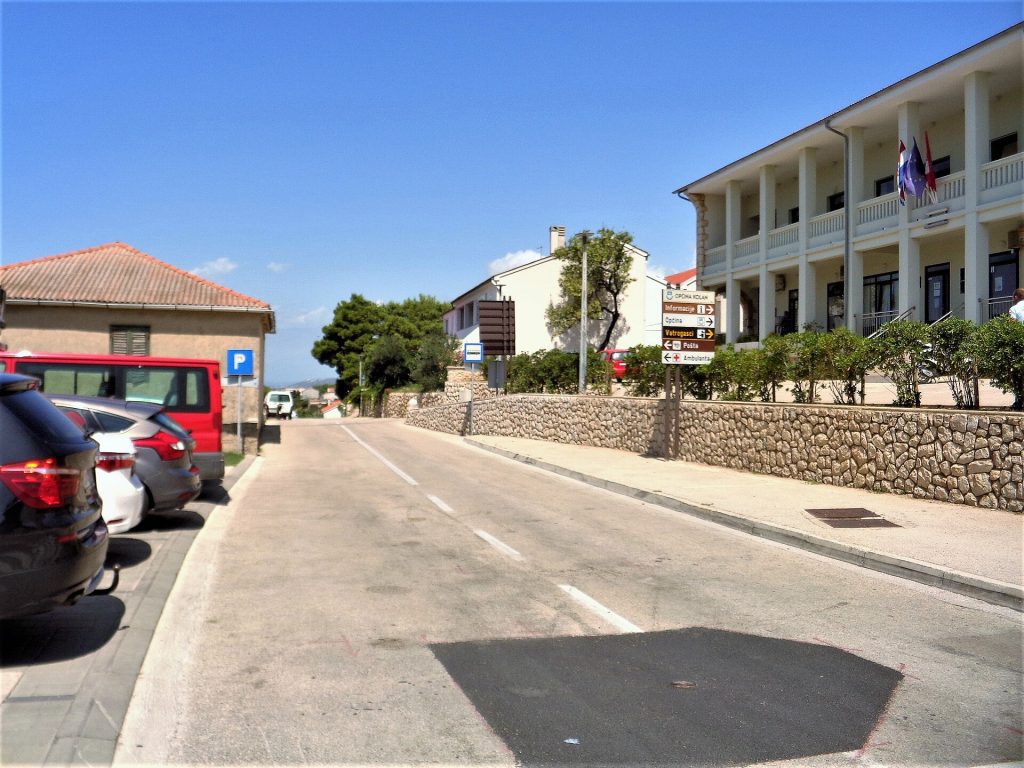
The best-known producer is Sirana Gligora in Kolan, around a 20-minute drive from Novalja. Its own pages say the tasting room (the “cheese bar”) sits on the upper floor of the dairy, with a view over the Kolan plain, and shows a short video on how the cheese is made. The page lists tastings at 15 euro for adults, free for children up to 10 and 5 euro for ages 10 to 15, and notes that the cheese bar closes from 15 October. Groups of more than eight should write to visit@gligora.com first. These details are undated, so check gligora.com before you drive out, especially outside summer.
The dairy shop at Figurica 21 in Kolan is listed as open Monday to Sunday, 07:30 to 20:00, closed on public holidays. Besides cheese it sells wine, olive oil and local delicacies. The Gligora cheeses have won international awards, including Super Gold at the World Cheese Awards in 2018 for its Paški sir.
Other places to buy Pag cheese
- Other island dairies. Paška sirana and Sirana MiH also make Paški sir and have won awards. Check their own sites for visiting and shop details before you go.
- Pag town. Cheese is sold in shops around the old town; combine it with salt and lace on our Pag town day trip.
- Small family producers. Many families sell cheese directly, often from a roadside sign or a farmhouse door. Look for the PDO mark to be sure what you are buying.
- Konobas. Order a cheese plate first and ask where it comes from; most places will happily tell you. Our restaurant guide is a good starting point.
How to taste like a local
Ask for two ages side by side, one young and one aged, and compare. Locals pair the cheese with Pag olive oil, dried figs, honey, or a glass of the island’s Gegić white; our Pag wine guide has the details. Pag lamb is the other classic, and you can read about it on the same sheep and cheese page.

Taking it home
Ask for the cheese to be vacuum-packed; shops here do it routinely, and it keeps the smell off your clothes. For flights, check your airline’s current rules on food in hand and hold luggage, and keep the cheese in the cool part of the car if you are driving. Heading back via the ferry or the bridge? See how to get to Novalja for planning, and Kolan, Mandre and Šimuni for what else is nearby. Need a base? Browse where to sleep.
Good to know
Is Pag cheese made from cow’s milk?
No. It is made from the milk of Pag sheep.
Can I visit a dairy without booking?
Individuals generally turn up, but groups of more than eight should contact Gligora in advance. Always check current opening times first.
Is the shop open all year?
Gligora lists daily opening, but the tasting room closes from 15 October, so confirm before an autumn or winter visit.
How much cheese should I buy?
A wedge of two ages is a good start: one to eat on the trip, one to take home.