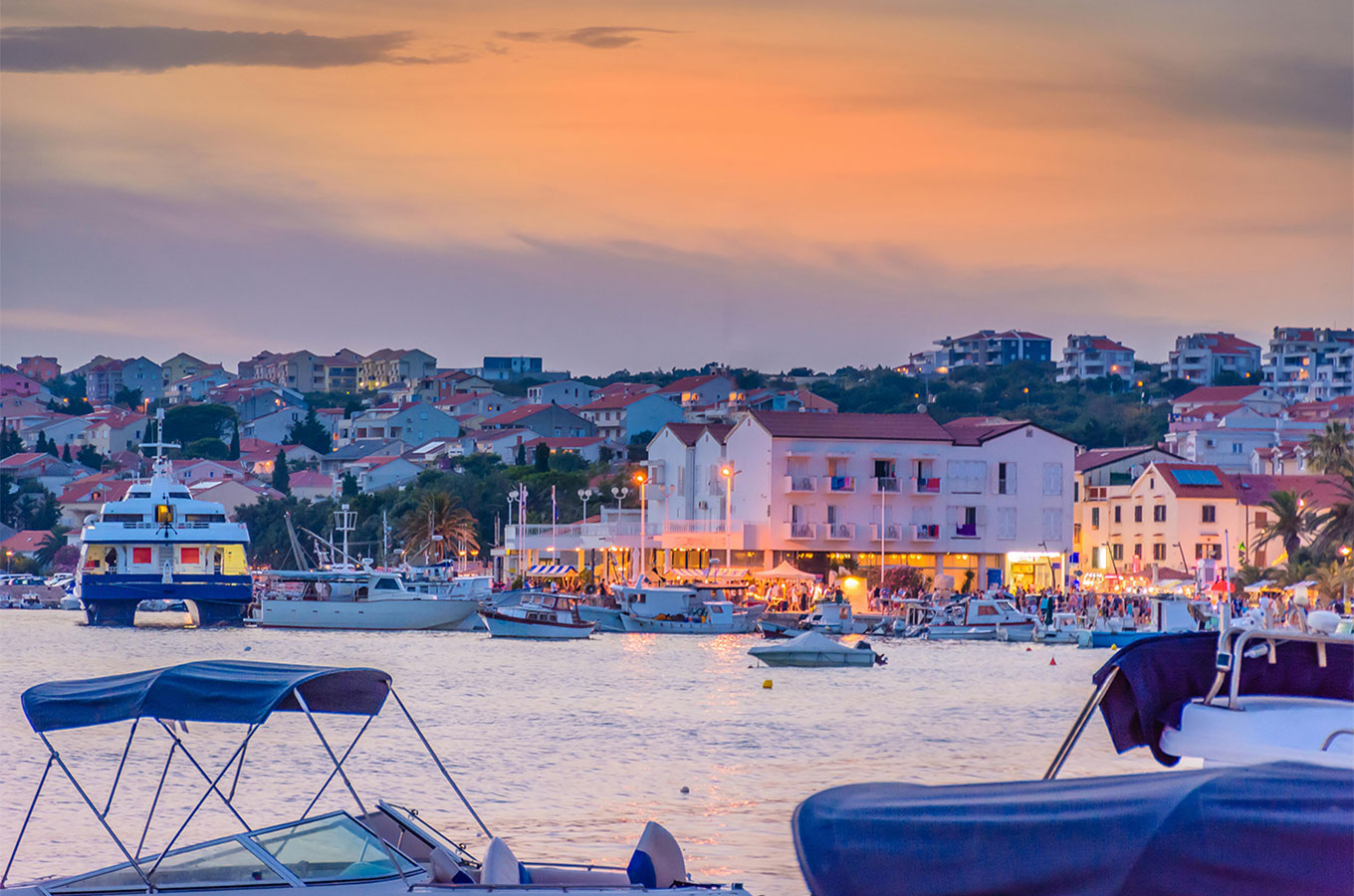
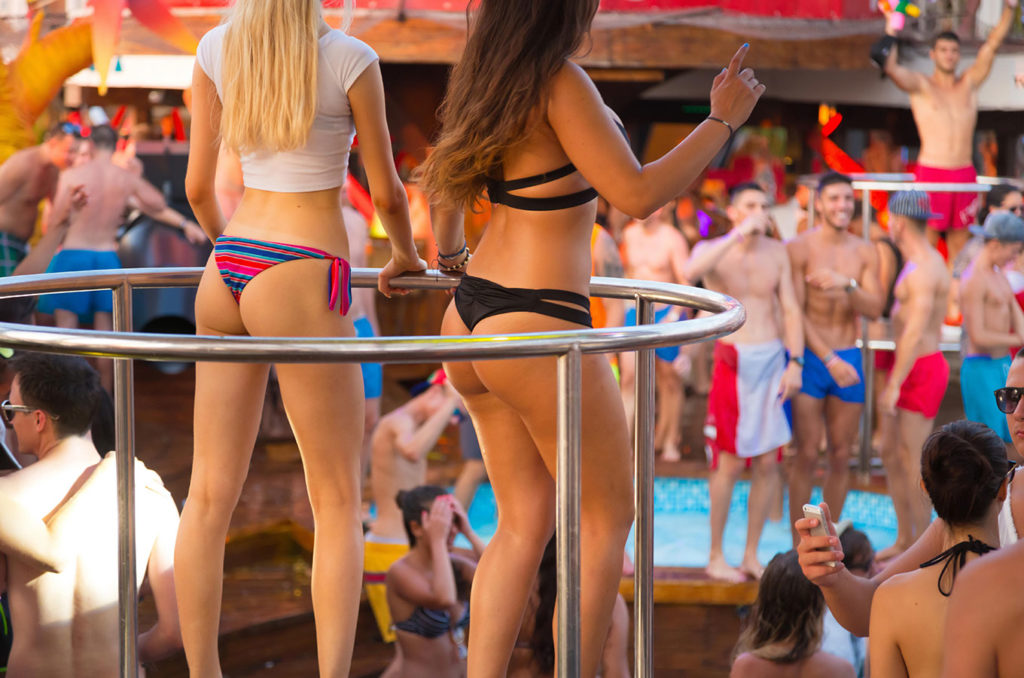
There is no single best time to visit Novalja — there is only the best time for your trip. The same town that hosts ten thousand people dancing on a beach in August is, in late September, a place where you can swim in 23-degree water and have a whole cove to yourself. Both are true. Both are Novalja. The trick is matching the month to what you actually came for.
Here is how the year unfolds on our stretch of Pag, month by month, so you can pick your moment.
April and May — The Island Wakes Up
Spring on Pag is green in a way that surprises people who only know the island from photographs of its bare, moonlike karst. The sea, however, takes its time: it climbs from roughly 12°C in March to about 18°C by the end of May. That is bracing rather than pleasant for most swimmers, so come in spring for the land, not the water.
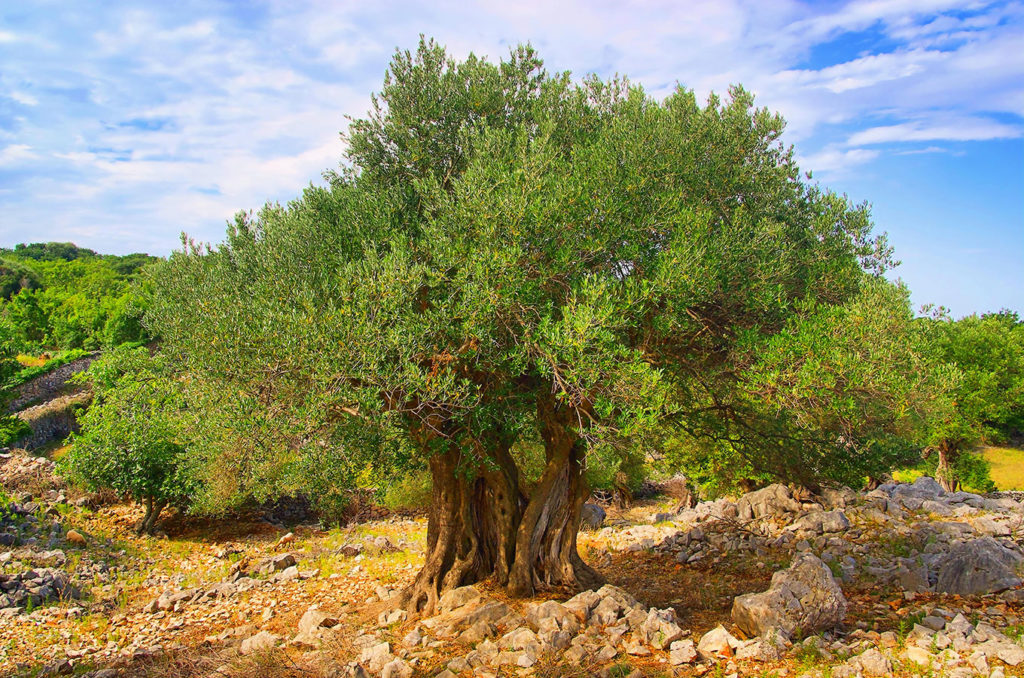
What spring is genuinely good for: hiking and cycling before the heat arrives, walking the ancient olive groves of Lun without queueing, cheese dairy visits, and photography in soft light. Prices are low, restaurants are relaxed enough for the owner to sit down at your table, and the roads are empty.
Mid-May is also when Zrce stirs. The club season traditionally opens with a run of Spring Break events, so if you want the beach in party mode but without August density, this is the window.
June — The Quiet Favourite
Ask people who live here which month they would choose, and a lot of them say June. The sea crosses into properly swimmable territory — averaging somewhere around 22–23°C — the days are the longest of the year, and the town is busy without being overwhelmed.
June also carries Novalja’s own celebration. The 13th is the feast of St Anthony, the town’s patron, known locally as Antonje and marked as Novalja Day. It opens Cultural Summer Novalja, a season of concerts, klapa singing, folklore and exhibitions that runs through the warm months. If you want to see the town being itself rather than performing for visitors, mid-June is a very good bet.
July and August — Full Volume
This is the Novalja most people picture. July is the driest month of the year here, with daytime highs around 29°C, and August is barely behind it while delivering the warmest sea of the year at roughly 25°C. Zrce runs at full tilt, festivals stack up back to back, every konoba is open, and every boat trip sails.
It is also the most expensive and most crowded time to be here, and that is worth planning around rather than fighting. Book accommodation and any dairy tours or excursions well ahead. Get to popular beaches early in the morning or after five, when the day-trippers thin out. And accept that parking in the town centre in early August is a competitive sport.
One date to circle: the Pag Summer Carnival, held on the last weekend of July down in Pag town. It has run every year since 1959, which makes it the oldest summer carnival in Croatia, and it is a real one — folk costumes, the Paško kolo danced in the square, the Paška robinja play, and the ceremonial burning of Marko to close it out. It is an easy drive from Novalja and worth breaking your beach rhythm for.
September — The Sweet Spot
If we had to name one month, it would be this one. The sea holds onto August’s heat and stays warm well into the month, the air softens, the crowds thin out after the first week, and prices come down. Restaurants that were turning tables all summer suddenly have time for you.
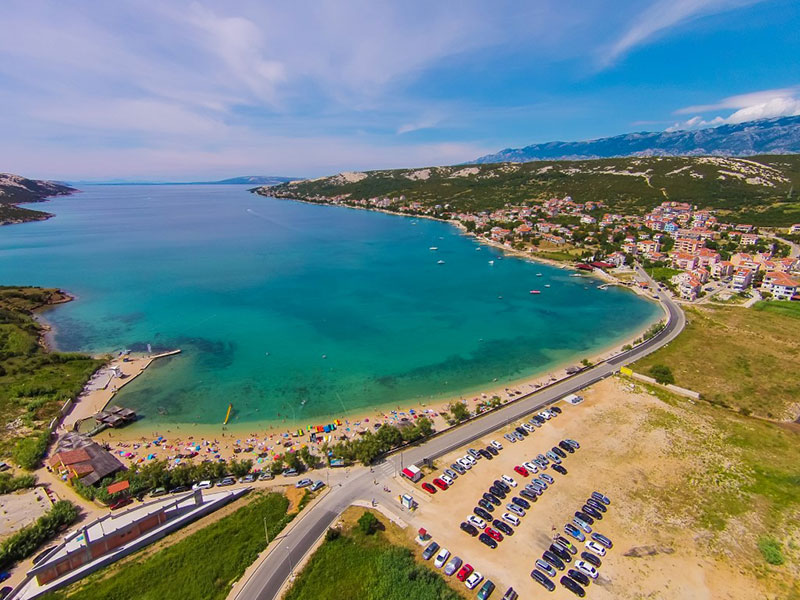
September is the month for the things July makes difficult: long lunches, day trips to Pag town or the west coast villages, hiking sections of the Life on Mars trails, swimming at Planjka or Caska without hunting for a patch of shore. The club season is winding down rather than over, so there is still nightlife if you want it.
October to March — The Island Off Duty
October can still deliver swimmable sea in its first half and is lovely for walking, but it marks the turn. November is the wettest month of the year, and by February daytime highs sit around 9°C. The bura, the cold northeasterly that comes down off the Velebit mountains across the channel, is at its strongest in winter and can genuinely disrupt travel plans — it is the wind that occasionally closes the Pag Bridge and the coastal road to high-sided vehicles.
Many seasonal restaurants and rentals close, so this is not a beach holiday. But it is the honest version of the island, and there is one genuine draw: the Pag Winter Carnival, which begins on the first Saturday after Epiphany and runs until Ash Wednesday.
So — When Should You Come?
- Clubs and festivals: mid-June to early September, peaking in July and August.
- Warmest sea: August, with late July and early September close behind.
- Families: June or September — warm water, manageable crowds, gentler prices.
- Hiking, cycling and food: late April to early June, or late September into October.
- Best value overall: the second half of September.
Whichever month you choose, the island keeps its side of the bargain: stone, salt, sheep, and a sea that turns an unreasonable shade of blue in the afternoon. Simple experience of joy, at whatever volume you prefer.