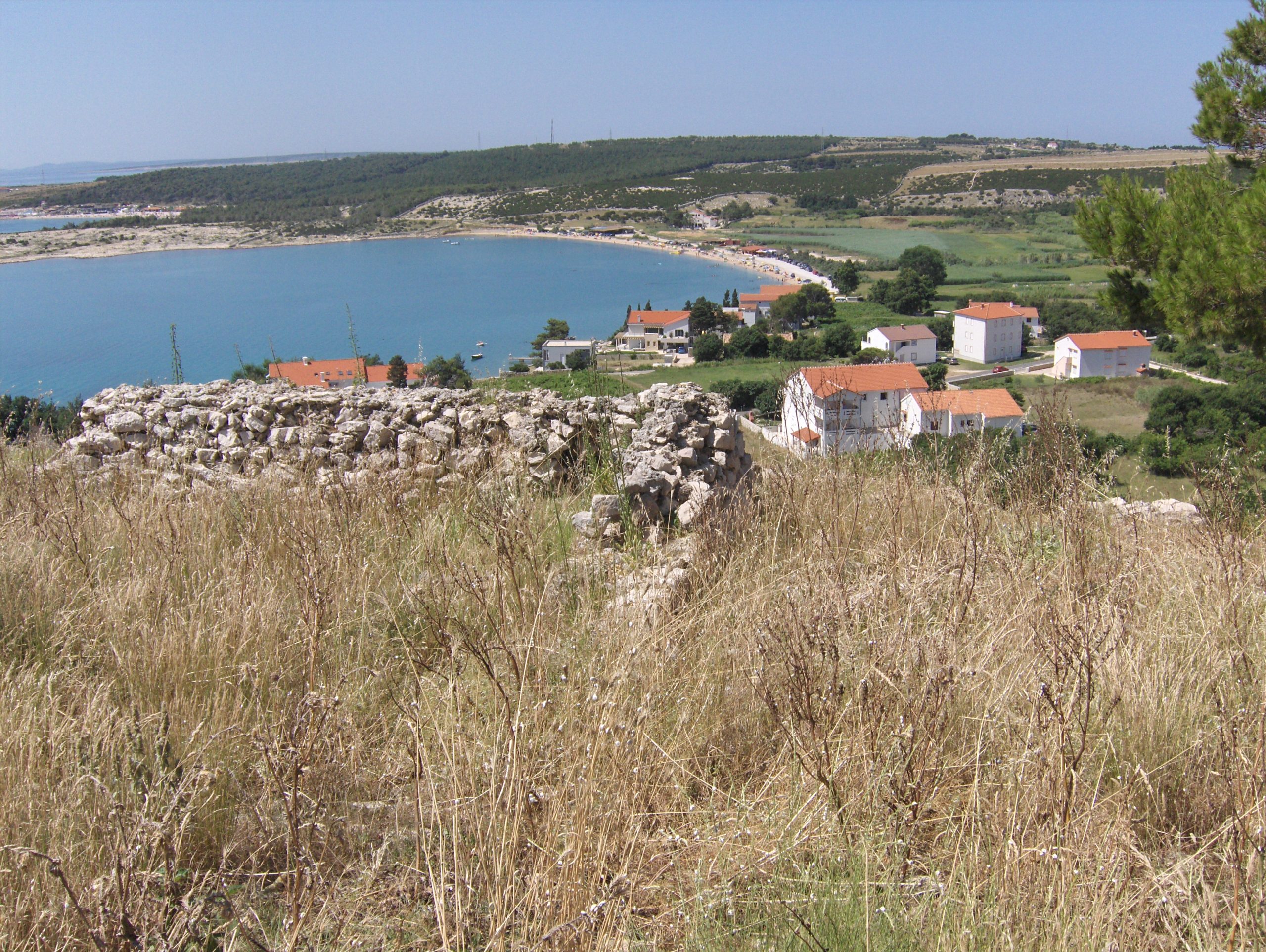
Novalja looks like a beach town from the water and a moonscape from a bike saddle. Ride a few hundred metres inland from any of the coves and the pine and pebble give way to dry-stone walls, sheep pasture, vineyards and the pale, wind-scoured karst that gives this end of Pag its “Life on Mars” nickname. The town has spent years marking and numbering a proper network of trails through all of it, so you don’t need your own GPS track or a rental-shop rumour to find a good ride — you need a full bottle, sunscreen, and roughly two wheels of whatever kind you prefer.
Here is what is actually out there, from an easy loop past a Michelin-starred restaurant to a proper climb with a Byzantine fort at the top.
Two Easy Loops from St. Anthony’s Church
Most of Novalja’s marked network starts and finishes at the small church of St. Anthony, just outside town, which makes it the natural place to park and pick a route.
Trail 11 is a 5.3-kilometre loop through Novalja Field — vineyards, olive groves, and a stretch of freshwater spring at Škoplje where a reed-fringed pond draws in birdlife you won’t see from a sunbed. About a third of it is asphalt, the rest packed earth and gravel, with barely 60 metres of climbing in total, so it is a genuinely easy hour on a hybrid or even a beach cruiser.
Trail 12 covers similar ground on a slightly different line — 4.9 kilometres, mostly easy, and the one to pick if you want to ride past Boškinac, the Michelin-starred hotel and restaurant tucked into the vineyards above town, and the Jarebica hunting lodge. Small ponds and wetlands along the way make it a quietly good route for anyone who likes birds as much as scenery.
The Climb: Trail 13 to Svetojanj
If Trails 11 and 12 are the warm-up, Trail 13 is the ride people actually come back and talk about. It runs 14.7 kilometres out through Old Novalja and Zaglava to Svetojanj, with around 310 metres of climbing along the way — properly strenuous by local standards, and mostly over bare karst with little shade.
The reward is real: the remains of a 6th-century Byzantine fortress, a stretch of Roman-era aqueduct known locally as “the Italian hole,” and the small seasonal pond of Svetošašnica sitting improbably in the middle of all that white stone. It is also, by local account, the kind of terrain where you might meet a horned viper sunning itself on the rocks — not aggressive if left alone, but worth watching where you put your hands if you stop to rest against a wall.
South to Kolan and the Wine Cellars
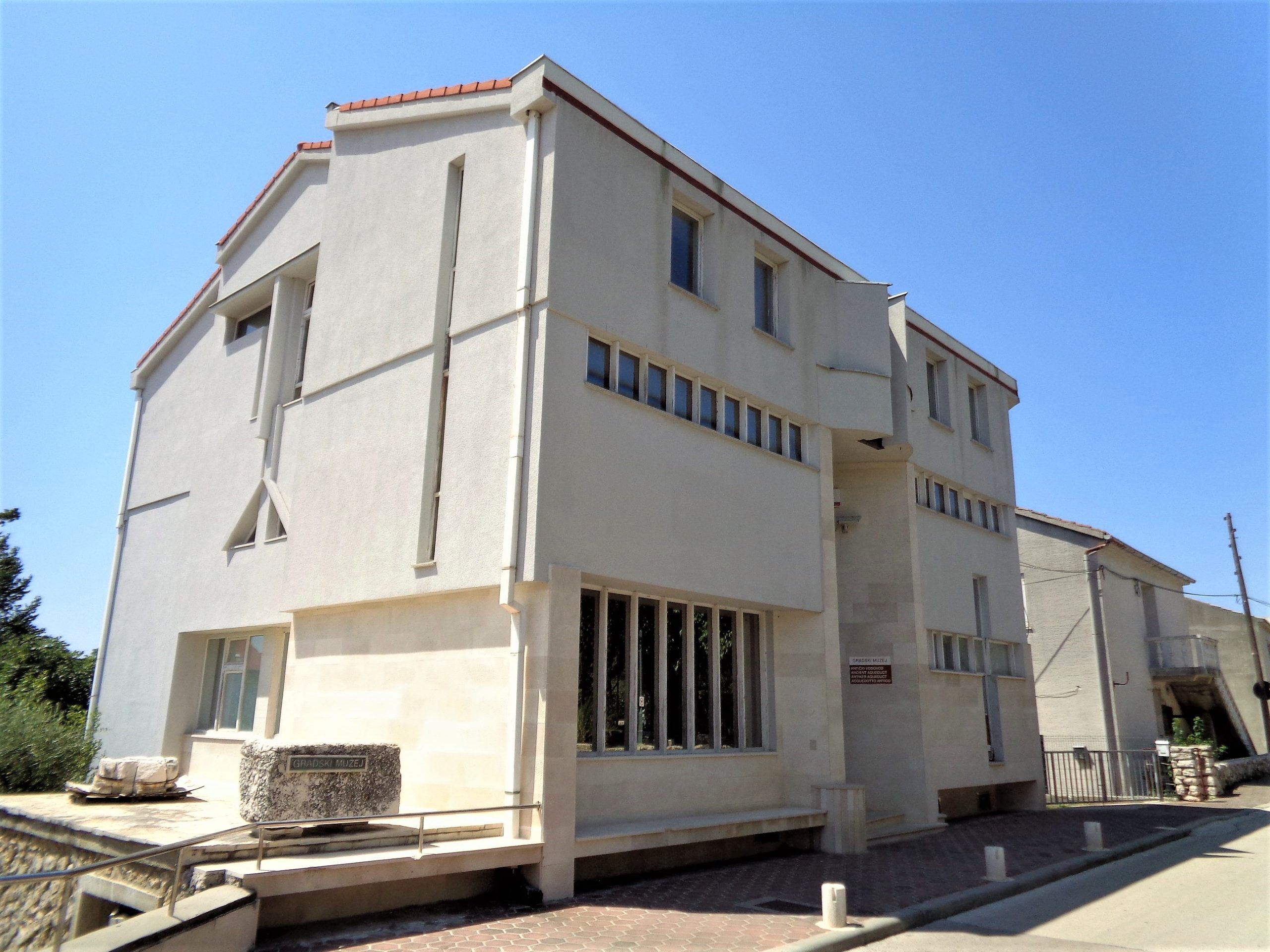
Head the other direction and the network connects Novalja to Kolan, a village a short way south best known these days for its salt-flat views and its ornithological reserve. The Kolan Trail runs across fields and gullies — easy enough near Novalja, noticeably tougher on the stretch by Mandre — and rewards the effort with a chance to buy honey, cheese or wine directly from producers in the village itself.
Branch off partway and you can pick up one of the Wine Trails, short but genuinely steep routes that climb out of Novalja Field toward a handful of family cellars. They are not long, but they are sharp, and the view back over the vineyards is worth the burn in your legs — as, frankly, is what is waiting at the cellar door.
North to the Olive Groves of Lun
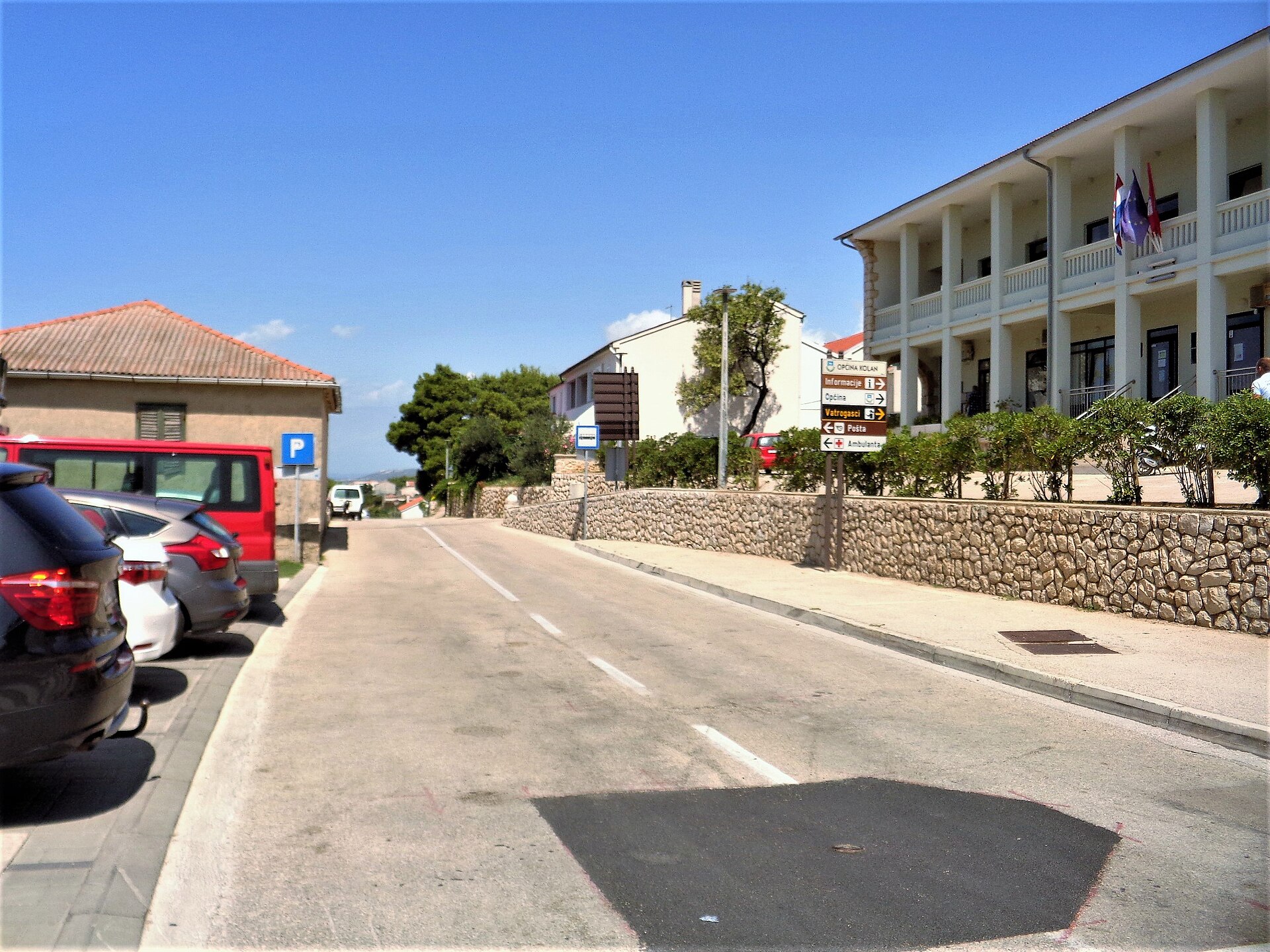
The longest ride worth doing from Novalja heads north along the coast toward Lun, home to Europe’s northernmost olive gardens and trees that are, by some estimates, well over a thousand years old. The route broadly follows the Kamenolom Trail out of town — ten kilometres from the old Novalja ferry dock to Zrće, passing beaches and old stone quarries, with a branch toward the Žigljen “UFO” viewpoint above the mainland bridge — before picking up the coast road on to Lun itself, with stops at the coves of Potočnica or Jakišnica along the way.
Fair warning on this one: in July and August the coast road doubles as the only road, and traffic to Lun picks up accordingly. Ride it early, ride single file, and treat it as a road ride rather than a trail once you are past Stara Novalja.
Before You Clip In
A few things make the difference between a good ride and a bad afternoon here. Go early — both the bura and the maestral tend to pick up as the day goes on, and there is no shade on most of these routes once you are past the pines around town. Carry more water than you think you need; none of the marked trails have refreshment stops, and the karst holds heat long after the sun starts dropping. Spring and autumn are kinder than the middle of summer, both for temperature and for traffic on the coast roads. And if you do not have your own bike, several rental outfits in Novalja and along the Straško strip hire hybrids, road bikes and e-bikes by the day — worth booking a day ahead in July and August.
Whatever your fitness, there is a version of this network that suits you, and none of it requires a full change of scenery from the beach — just a slightly different one.